.png)
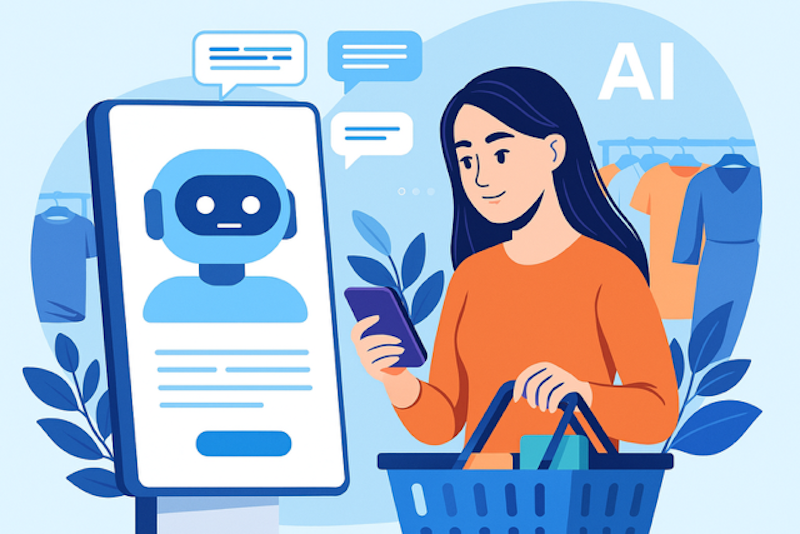
Have you noticed how your favourite shopping apps feel a bit more, well, lively lately? It isn't just a coincidence or a fresh coat of digital paint. As we move through 2025, the line between "buying something" and "having an experience" has almost entirely disappeared.
I’ve often found myself scrolling through a retail app not because I actually need a new pair of trainers, but because the interface itself is just so satisfying to use. This shift is what many are calling the engagement economy, and if you look closely, you’ll see that retail giants are taking their cues from a rather unexpected place: the world of iGaming.
For years, online gaming platforms have had to master the art of keeping people interested in a crowded market. They’ve perfected the science of the "user journey" long before most high-street brands even had a functioning mobile site. Now, retail leaders are realise that to keep us coming back, they need to offer more than just a product; they need to offer a seamless, rewarding experience that feels personal.
The 2025 Retail Landscape: Shifting from Transactional to Experiential Digital Storefronts
The online world has moved on from the days of simple "search and click" shopping. In 2025, a digital storefront isn't just a catalogue; it’s a living environment. We've reached a point where the "transactional" model, where you go in, buy a toaster, and leave, feels a bit cold and outdated. Instead, retailers are aiming for something "experiential." They want you to hang around, explore, and feel like the brand actually understands what you're looking for.
I remember when shopping online felt like a bit of a chore, filled with clunky menus and endless loading screens. Today, the best apps feel more like a social media feed or a streaming service. This change is driven by the fact that our attention is the most valuable currency there is. If a retail site can keep you engaged for ten minutes instead of two, the chances of you finding something you love go up exponentially. This is why we see so much more video content, interactive styling tools, and community reviews integrated directly into the shopping flow. It’s about creating a space where the act of browsing is just as much fun as the purchase itself.
Understanding Engagement Patterns: Applying Behavioural Economics and Variable Rewards to Retail LoyaltY
We’ve all experienced that little lift when we get a surprise discount code or a "gift" in our inbox, haven't we? This is down to behavioral economics, specifically the idea of variable rewards. In the past, loyalty programmes were pretty predictable; you’d spend fifty quid and get a point. It was fine, but it wasn't exactly exciting.
Nowadays, retailers are using "dopamine loops" to make loyalty feel more dynamic. Instead of a standard points system, you might get a surprise "mystery box" at checkout or a "spin the wheel" chance for a discount after making a purchase. This unpredictability is a classic tactic used in gaming to maintain interest. When the reward isn't guaranteed or varies in size, our brains stay much more engaged with the process.
Many of us have noticed our supermarket apps now offer "personalised challenges" or "bonus missions." It sounds a bit like a quest from a fantasy game, doesn't it? By framing shopping as a series of small, achievable goals with immediate rewards, brands are moving away from the old, slow burn of traditional loyalty and towards something that feels much more immediate and satisfying.
Technical Infrastructure: How AI Personalisation Engines Predict Consumer Desire in Real-Time
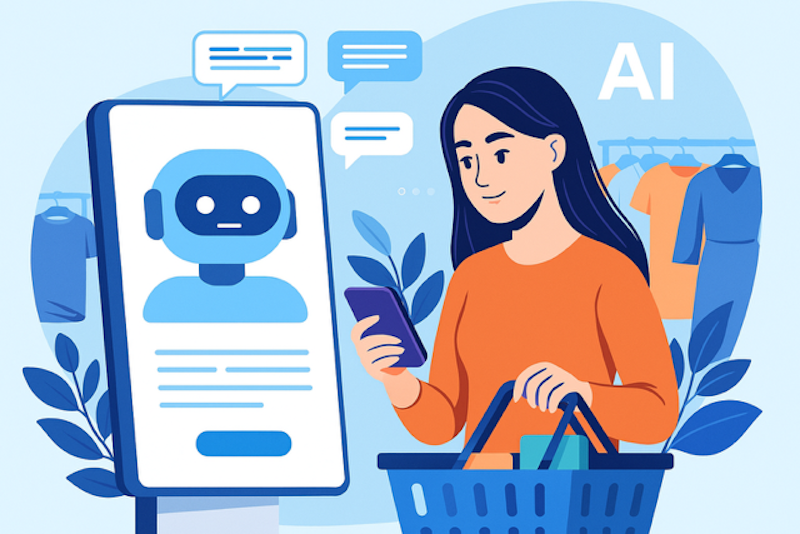
Behind the scenes, the technology making this happen is incredibly sophisticated. We aren't just talking about a basic "people who bought this also bought that" algorithm anymore. Modern AI personalisation engines are looking at hundreds of data points in real-time to predict what you might want next. They look at how long you hover over an image, which colours you prefer, and even the time of day you’re most likely to shop.
This level of precision is something that the entertainment industry has used for a long time. These engines are evolving to mirror the seamless navigation and variety found in premium digital entertainment libraries, such as those that manage thousands of online slots or live casino options. When you visit a high-end gaming site, you aren't just met with a wall of text; you see a curated selection tailored to your previous habits. Retailers are now doing the same. If you’ve been looking at hiking boots, the AI doesn't just show you more boots; it might show you a waterproof jacket that matches the style and price point of your previous searches, all while you're still on the first page. It's about reducing the "mental load" of shopping. You don't have to hunt for what you want because the system has already brought it to you.
Cross-Industry Benchmarking: UX Lessons from the Scalability of High Performance iGaming Portals
When it comes to pure technical performance, there’s a lot that retail can learn from the iGaming sector. These platforms have to handle thousands of simultaneous users, processed transactions in milliseconds, and update visual data instantly without the page ever stuttering. If a gaming site lags, the user experience is ruined. Retailers have finally caught on that the same applies to them.
If we look at the Virgin Games platform, we can see a prime example of high retention UI design that focuses on clarity and speed. The interface is clean, the categories are intuitive, and the transition from the home screen to a specific game is almost instantaneous. Retailers are now benchmarking their own apps against this standard. They’re moving away from heavy, bloated websites in favour of "headless commerce" architectures that allow for lightning-fast mobile experiences.
I've noticed that the best retail apps now use a similar "grid and tile" layout to gaming portals. It’s a design language that we’ve all become accustomed to; it’s easy to scan, works perfectly on a thumb-operated smartphone screen, and makes the content feel abundant yet organised. By studying how these high-performance portals manage such vast amounts of content without overwhelming the user, retail brands are finding ways to make their own vast inventories much more accessible.
Case Study Analysis: Implementing Instant Win Mechanics and Frictionless Content Discovery
One of the most effective things retail has borrowed from the gaming world is the concept of "instant-win" mechanics. You might have seen this when a brand asks you to "scratch" a digital card to reveal a promo code or play a quick mini-game to earn free shipping. It adds a bit of playfulness to what would otherwise be a boring transaction. According to research on consumer psychology, these small moments of interaction significantly increase the likelihood of a customer completing their purchase.
Frictionless discovery is another big one. This is the idea that you should be able to find something new without actually having to "search" for it. Think about the "For You" pages on social media. Retailers are implementing similar feeds where products are served up based on your style profile. It’s a "lean back" experience rather than a "lean forward" one. You don't have to work to find the products; the products find you.
I recently used a fashion app that had a "Tinder-style" swipe feature for new arrivals. I could swipe right on things I liked and left on things I didn't. Within two minutes, the app had a much better idea of my taste than if I’d spent an hour filling out a survey. That’s frictionless discovery in action. It’s fun, it’s fast, and it’s incredibly effective at keeping people tucked into the brand's ecosystem.
The Evolving Retail Experience
It’s clear that the way we shop is being completely transformed by the lessons learned in the engagement economy. By moving away from purely transactional interactions and embracing the psychology of rewards, the power of AI, and the technical standards of high performance gaming, retailers are creating something much more compelling.
We’re no longer just "users" or "customers"; we’re participants in a digital experience. While the goal is still to sell a product, the focus has shifted to making the journey as enjoyable as possible. As these technologies continue to evolve, I suspect the gap between entertainment and e-commerce will only get smaller. And honestly, if it makes finding that perfect pair of jeans a bit more fun and a lot less stressful, I’m all for it.
***
Please gamble responsibly. For more information and support, visit BeGambleAware.org. 18+ only.
***
References and Further Reading:
● The Psychology of Variable Rewards
● How AI is Transforming Retail Personalisation


Comments (0)
No comments yet.